Jugamos:
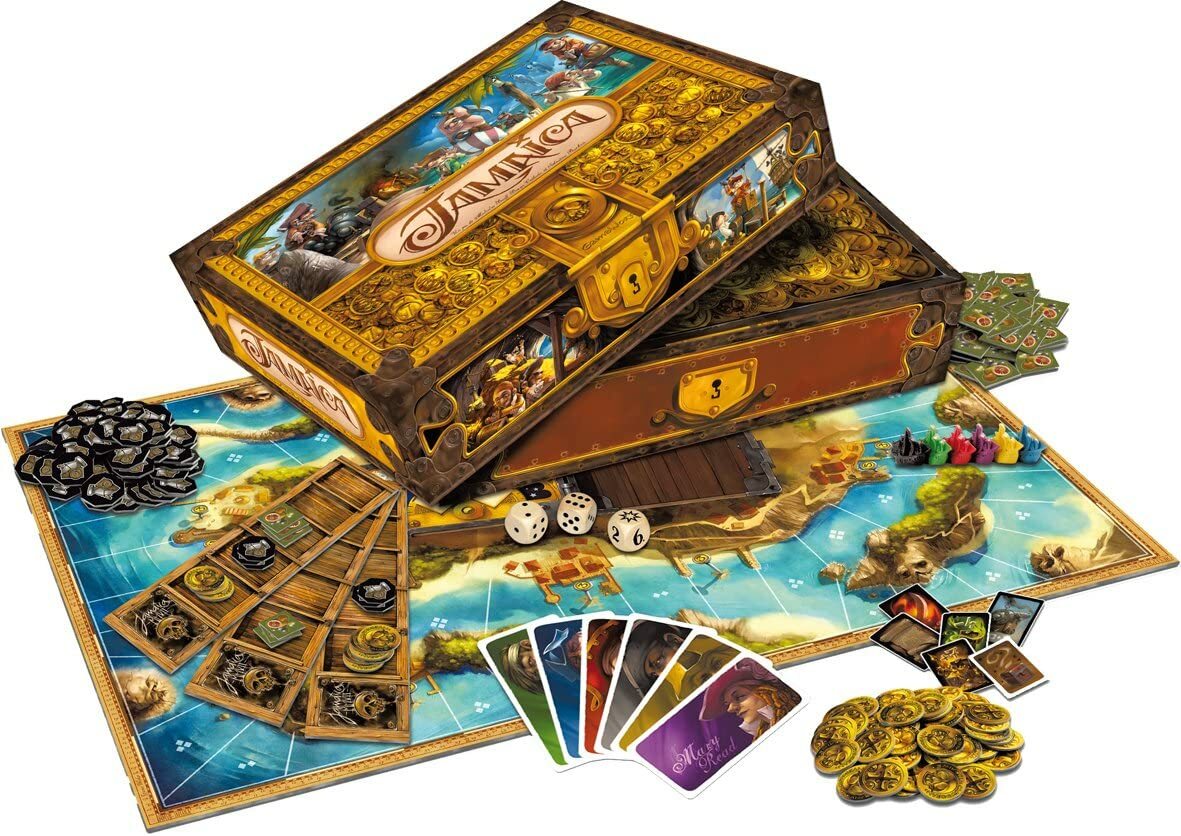
Jamaica
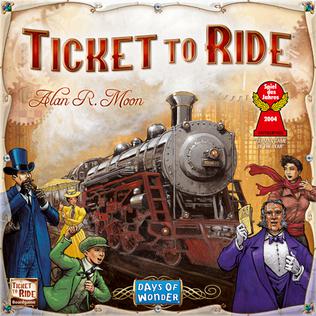
Ticker to Ride
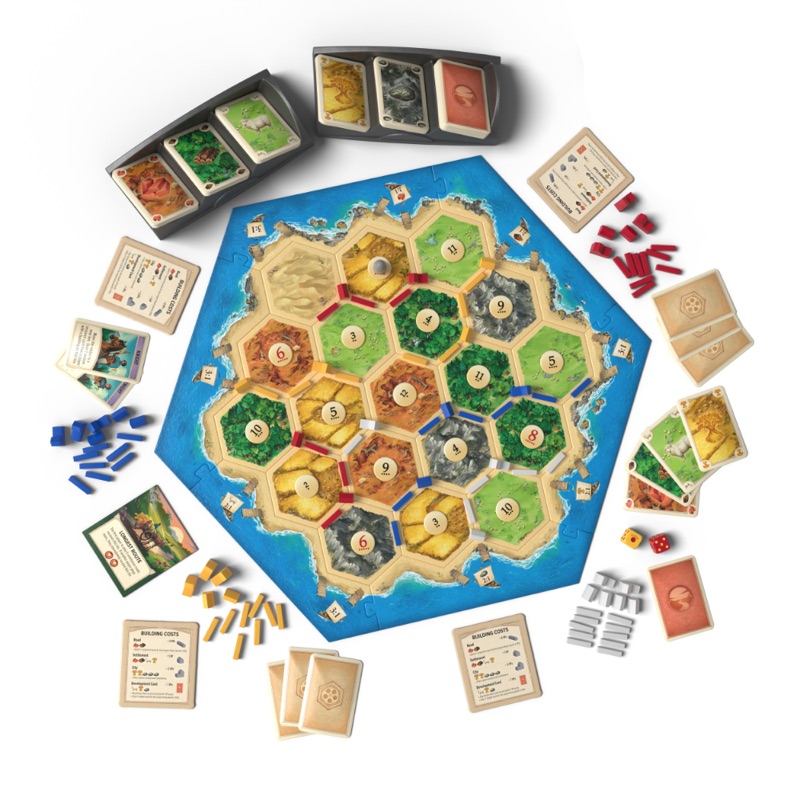
CATAN
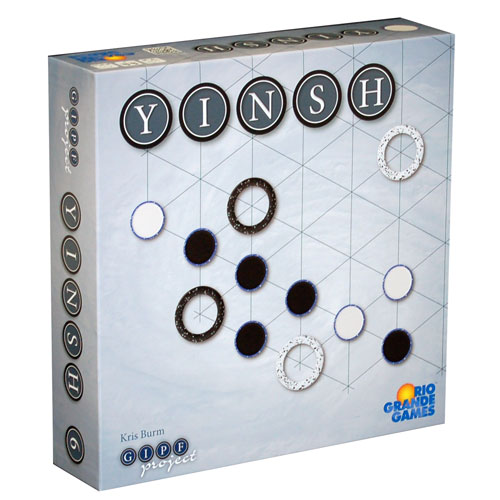
Yinsh
Pandemia
Una serie de sueños caóticos, envolvían diferentes personajes- algunos del trabajo otros del bookclub. No recuerdo nada específico.
Que estoy en la oficina, con gente que ya he trabajado antes. Nick D.y alguien más están conmigo como tomando el break.
Nick es más viejo, con el pelo canoso. Y lleva puesto uno de esos trajes de oficina obsoletos. Estamos platicando de varias cosas en general. Alguien como “mi jefe” o “manager” me viene a pedir que le ayude en algo. Me da una botella para sacar con los dedos un papel que está adentro.
Nick se molesta y me dice que no lo haga que estoy en mi break. No recuerdo que más sucede pero en eso N me da la noticia de que ha renunciado.
En eso nos acostamos en una cama. El con su traje obsoleto que lo hace verse aún mucho más viejo. Me comienza a dar consejos: para el trabajo, para la vida.
Yo sentia una conexión casi paternal con el.
En eso me invitaba a su casa y me dijo que podía llegar a visitarlo.
había como una tristeza y melancolía porque ya no lo volvería a ver.
Que me he reunido con las chicas en un hotel tipo resort en Mexico - creo que es Puerto Vallarta.
Yo voy caminando y escucho la voz de Karol hablando por un megáfono. Nos cuenta de los regalos de Liz. Yo ando caminando por todos lados. Una señora me quiere hacer una entrevista para el caso, pero a mí me da mala espina y disimuladamente me alejo.
Karol si habla con ella. Hay un tipo allí que por molestar o en serio, me dice que el tal F.A.S. me anda buscando para matarme.
En otro sueño entró al elevador veo a una chica que se parece a Jules, le hablo pero la voz no me sale.
Don’t always trust your brain when you’re tired and sleep-deprived.
Lack of sleep can drain your energy, lower your motivation, and bring you down physically and emotionally. And when your body is exhausted, your brain can start telling you that something is wrong. Suddenly, you feel sad, unmotivated, or even depressed, and you start overthinking everything. The more you overthink, the worse you feel, and the more exhausted you become.
I realized this is similar to what I used to experience with PMS. I would become extra sensitive, and my brain would interpret everything through that emotional lens. I would feel like something was wrong when, in reality, nothing had changed. My hormones were simply affecting how I felt and perceived things.
Something I learned way too late in life: sometimes, you’re not unhappy with your life. You’re just exhausted.
Being tired, overworked, and sleep-deprived can affect how you feel, how you think, and how you see the world.
So before you overanalyze your life, question your happiness, or believe every negative thought that crosses your mind, take a moment.
Rest. Sleep. Recharge.
Sometimes, you don’t need to figure everything out. You just need some sleep.
Qué hermosos son los lunes con Bella.
Ella se relaja conmigo mientras yo tecleo. Las dos escuchamos música: de Coltrane a Miles, algún Bossa Nova; ahora escuchamos Moon Safari. Ella se entretiene mirando a los vecinos que sacan a sus perros al parque de enfrente.
¡Este lugar es tan apropiado para un perrito! Fue precisamente por eso que lo escogimos. En aquel entonces, solo teníamos un inquilino arriba: un chico que viajaba mucho y no hacía nada de ruido. Hace dos años tuvo que irse de emergencia fuera del país y el landlord, sin decirnos nada, metió a toda una familia de jóvenes con un recién nacido y un perro.
Aunque son más ruidosos que el inquilino anterior, no nos molestan porque son súper amables. Además, a mí me dio mucho gusto tener un bebé arriba. Siempre pienso que es un beneficio mutuo convivir de cerca con algo tan nuevo y puro. Me inspira, me da refugio, un respiro en medio de toda la toxicidad de afuera.
Ahora, para eso, tengo a Bella.
Su inocencia, su pureza, la forma en que tan fácilmente se ha acogido a nosotros. A los dos, ahora.
Porque, a pesar de que él no es tan afectuoso ni paciente como yo, con ella ambos han encontrado un término medio, una forma de contacto que se mantiene sin acercarse demasiado. Algo parecido a lo que él hizo y sigue haciendo conmigo.
Bella nos despierta a las seis o seis y media de la mañana para que la alimentemos. Esperamos hasta las siete. Es muy tierno y divertido ver lo que ahora parece un ritual diario: Bella saltando encima de él, mordisqueándole las orejas, brincando sobre sus piernas y lamiéndole la espalda. No desiste hasta que finalmente se levanta, ¡y no enojado!, sino riéndose, con cierta resignación, por las travesuras de Bella.
Hemos prometido darle la mejor vida, cuidarla y darle todo lo que necesita.
Esta mañana se ha levantado muy feliz. Corrió a su lugar favorito y jugó hasta cansarse. Luego se dedicó a observar a la gente y a tomar una siesta.
La pureza, la ternura a mi lado.
Cada día se siente más y más confiada. Sabe que somos su familia, sus protectores, y que y que puede contar con nosotros. Y ella, a cambio, nos vigilará y protegerá, pero, sobre todo, nos dará aquello que nosotros ya somos incapaces de darnos: amor puro, incondicional. Ese amor que solo un ser como un niño o un perrito puede dar.
En el downtown SF, estoy huyendo de algo. Una catástrofe. La gente está corriendo en pánico!
En otro sueño, voy a subir el elevador de un edificio, el cuarto es demasiado pequeño y más gente quiere entrar! Me entra ansiedad, comienzo a respirar y a tranquilizarme.
